



 Linkedin
 Google +
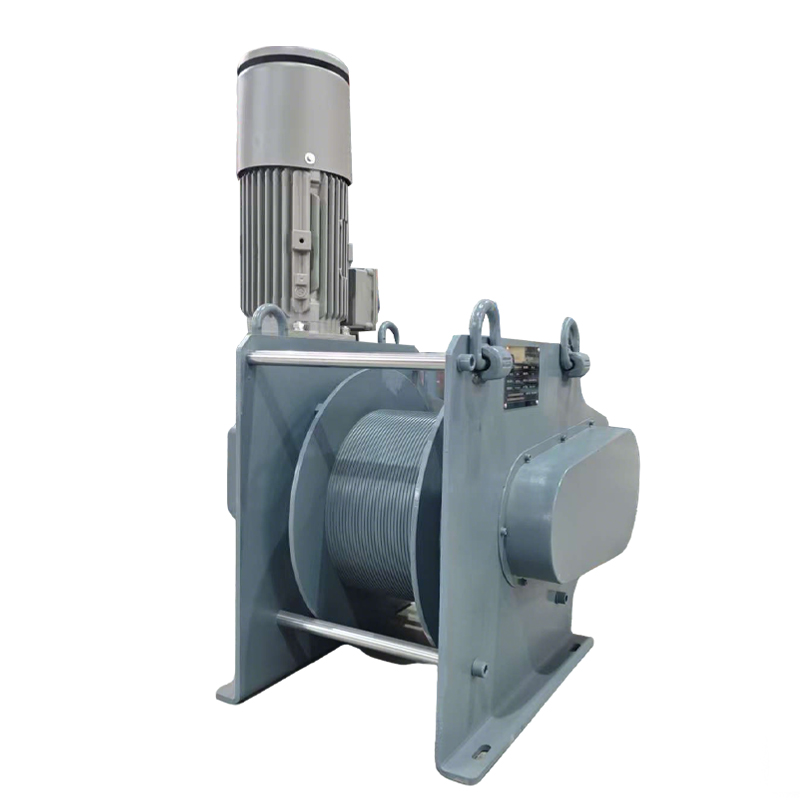
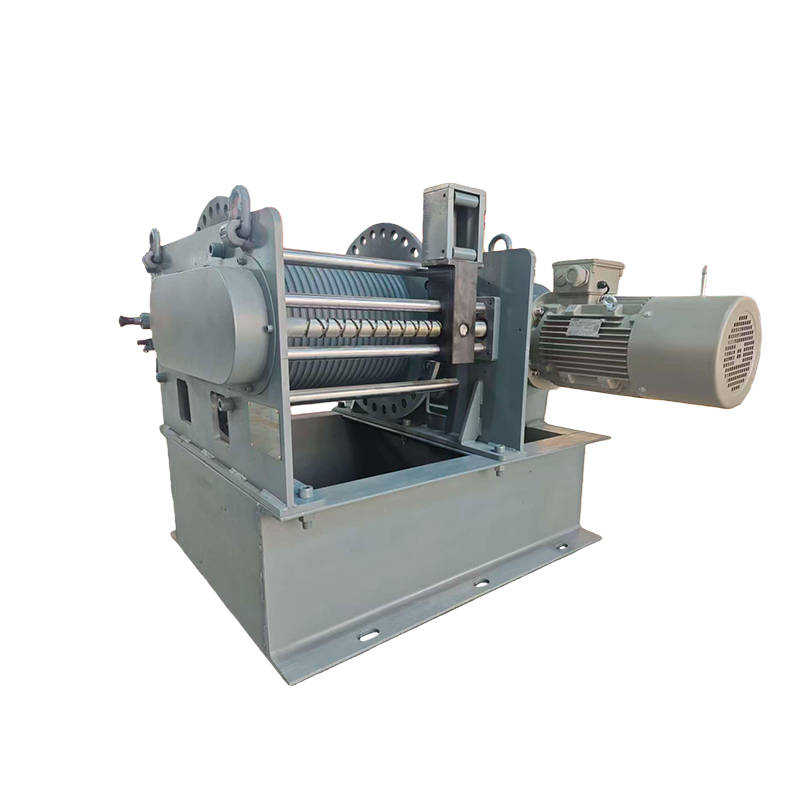
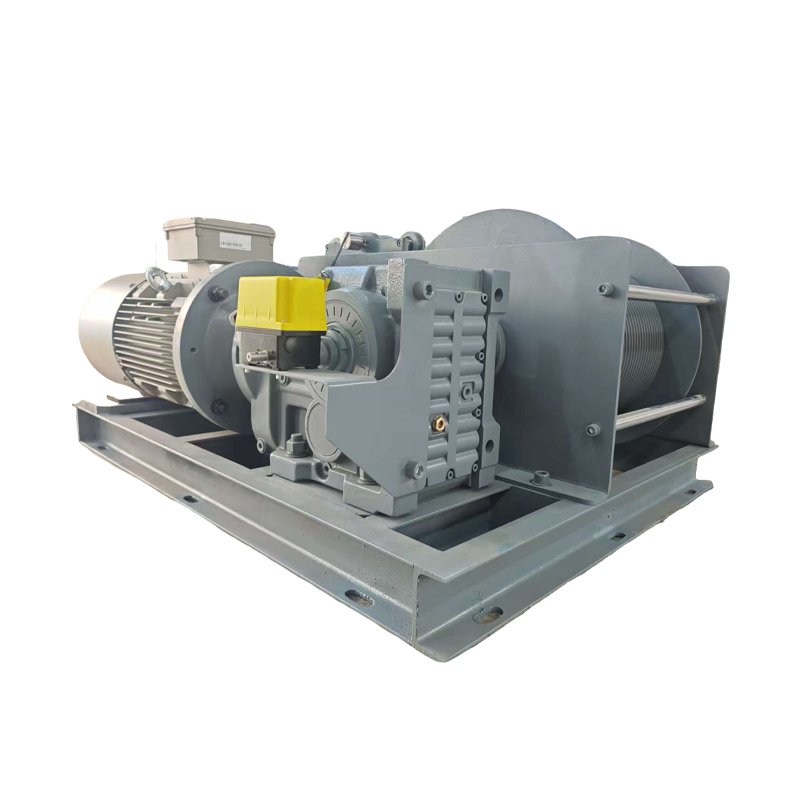
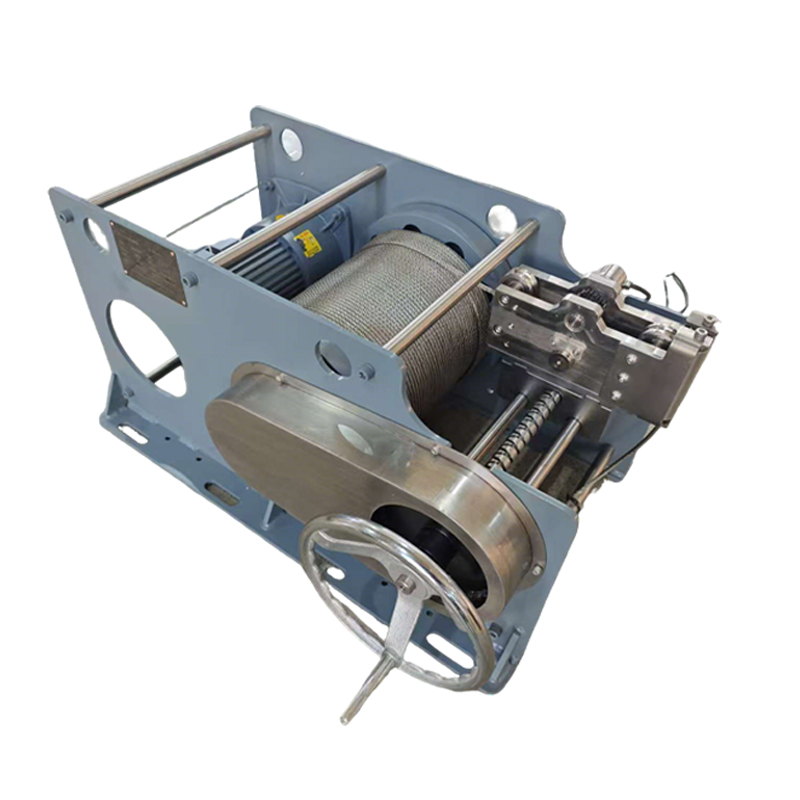
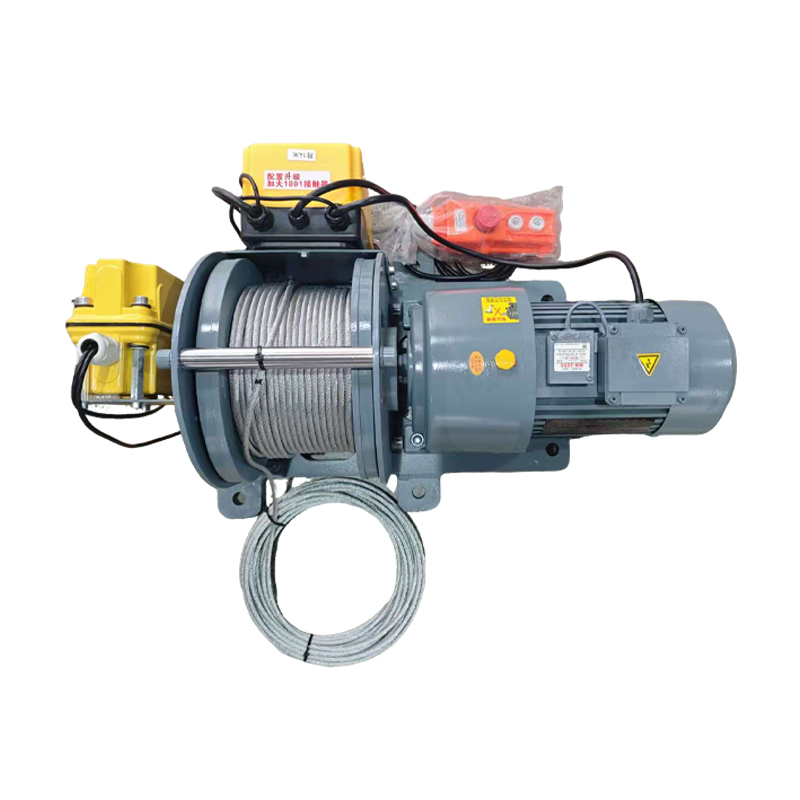
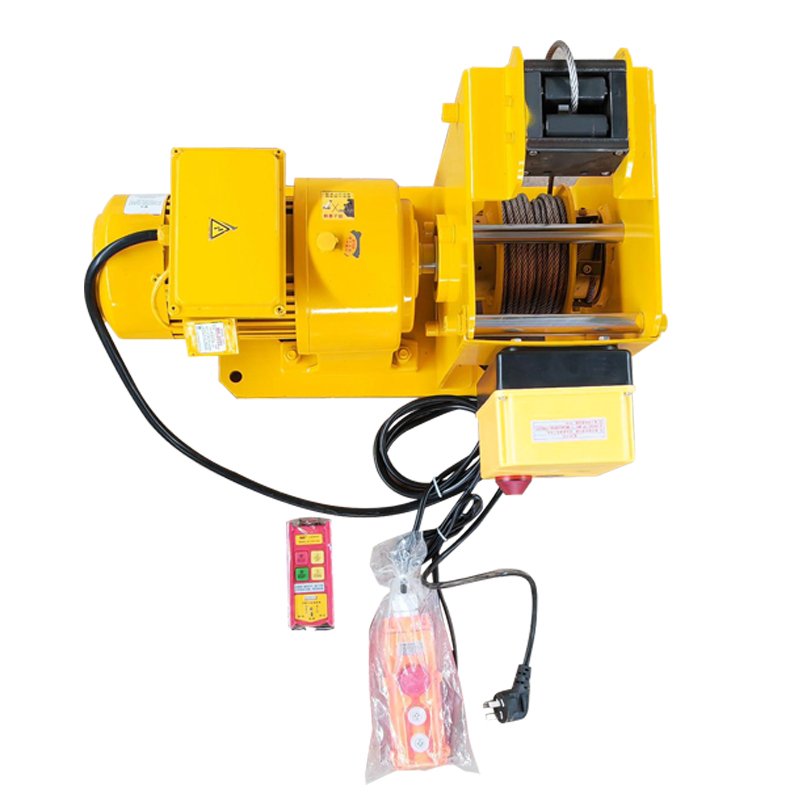
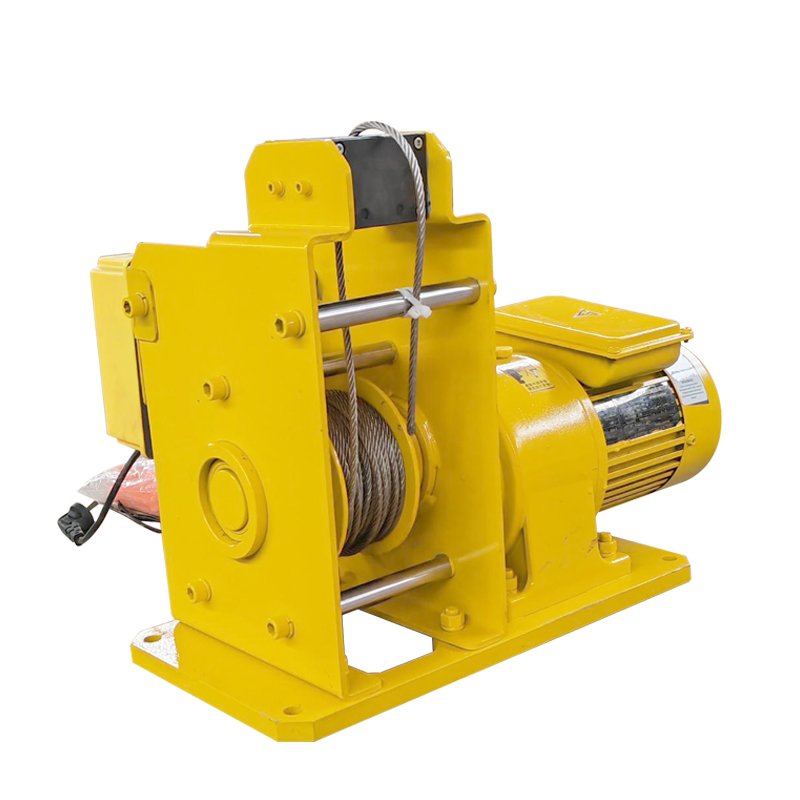
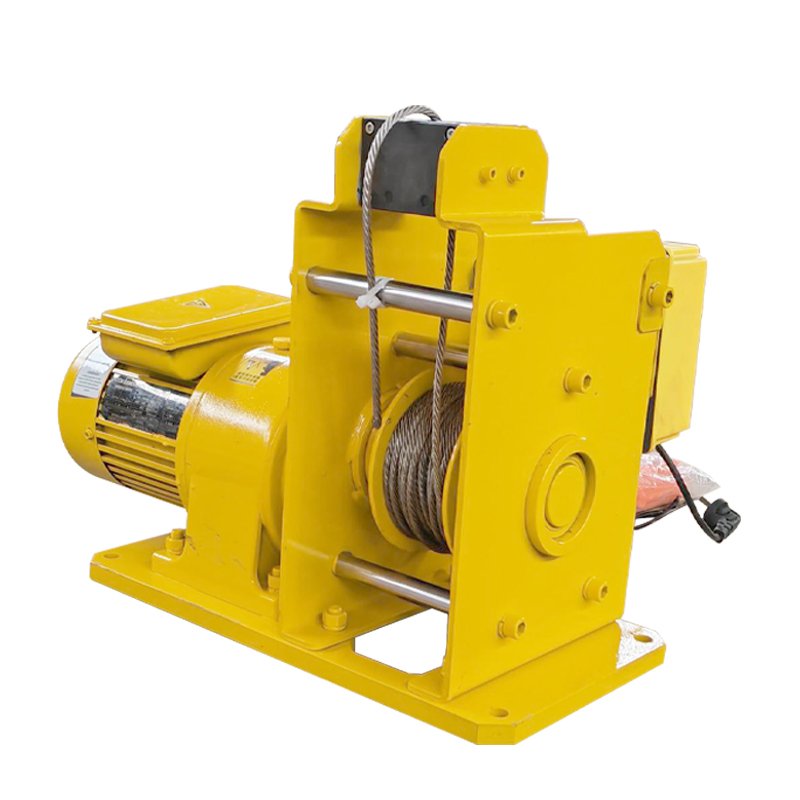
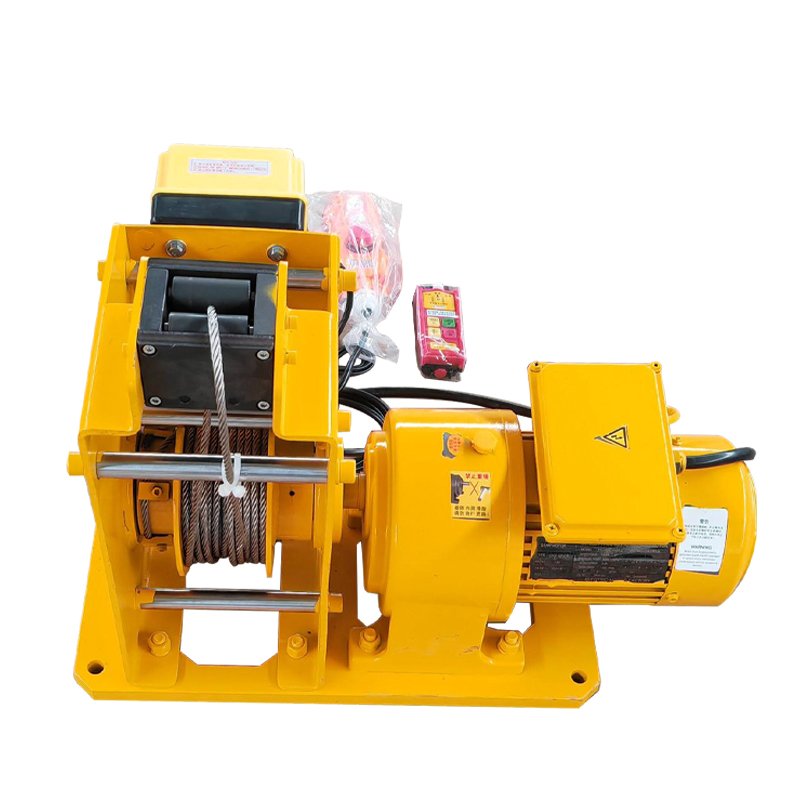
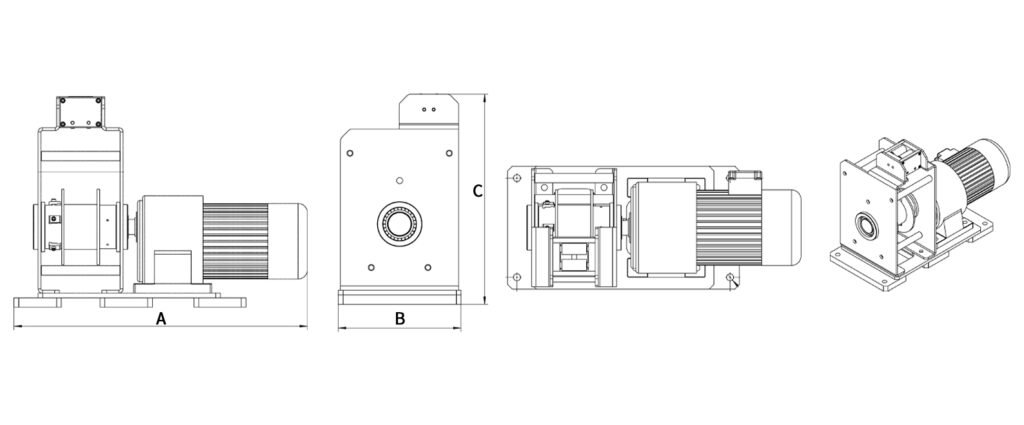
Compact one-line industrial winch with drum, reduction, motor and brake on a single axis. 0.4 kW single-phase 220V motor, 17.75 rpm drum, 6 m/min rope speed, 250 kg rated pull, stainless steel wire rope Ø6 mm, 15 m rope length. Fixed rope guide roller at the top so the rope pays out from a fixed position, electromagnetic brake, and dual control by wired pendant and wireless remote. Mounting base with four Ø15 mm holes. Outline A 621 × B 260 × C 445 mm.
250kg One-Line Industrial Winch 220V Single Phase | KLD
-
A 250 kg industrial winch laid out on a single axis: drum, reduction, motor and brake in one line, so the whole unit measures 621 × 260 × 445 mm and mounts on four Ø15 mm holes. The 0.4 kW single-phase 220V motor turns the drum at 17.75 rpm for a rope speed of 6 m/min, and a fixed rope guide roller at the top of the frame keeps the rope paying out from one set position instead of wandering across the drum. Control is by a wired pendant or a wireless remote; the electromagnetic brake holds the load when the motor stops.
Quick Specs
Model: PJI-250
Rated pull: 250 KG
Steel wire rope: Ø6 mm, stainless steel
Rope length: 15 m
Motor: 0.4 kW
Power supply: 1-phase 220 V / 50 Hz
Application Scenarios and Applicable Boundaries
- Rated pull is 250 kg, and that figure is the pull on the rope. It is not a lifting capacity for people, and it is not a capacity for a two-part reeving — if you add a snatch block the rope tension doubles.
- Single-phase supply means the starting current and the available torque differ from a three-phase unit. If your duty involves frequent starts under full load, state the duty cycle so the motor is checked.
- The stroke is not stated in the source drawings. Only the rope length (15 m) is given, and the usable stroke is shorter than the rope length once the dead wraps and the safety wraps are taken up. Do not plan a 15 m lift.
- Drum diameter is not stated in the source drawings, so it is not quoted as a specification.
- Not for continuous duty. A 0.4 kW single-phase motor in a compact housing has limited thermal capacity; state the number of starts per hour and the running time in the enquiry.
- Not for personnel lifting, and not for use above areas with public access without a secondary mechanical hold.
Features Benefits
Drum, reduction, motor and brake are arranged on one axis rather than offset with a belt, chain or separate reducer frame. That is what makes the machine 260 mm wide: nothing projects sideways. The layout also means the rope leaves the drum along the machine's own centreline, so the pull line passes through the mounting base instead of creating an offset moment.
The motor runs on single-phase 220 V / 50 Hz, so the machine can be plugged into an ordinary 220 V circuit where three-phase power is not available. Case parameters: 0.4 kW, drum 17.75 rpm, rope speed 6 m/min.
A guide roller is fixed at the top of the frame, in line with the drum. The rope passes over this roller and leaves the machine from one set position, rather than being pulled off the drum at whatever angle the load happens to sit at. Because the exit point is fixed, the rope stays in the same plane as the drum groove it is laying into.Complete Technical Specifications

Model:250 KG Motor power:0.4kw Ratedpullingforce:250kg Steel wire ropediameter:6mm(Stainlesssteel) Steel wirerope length:15m Drum rotationspeed:17.75rpm Average ropespeed:6m/min Rated voltage: 1P/220V/50HZ Model:250 KG A(Length):621mm B(Width):260mm C(Height):445mm Size Installation and System Interface
A (length, along the axis): 621 mm
B (width, across the machine): 260 mm
C (height): 445 mm
Mounting holes: 4 × Ø15 mm at the base corners
Base plate length (motor excluded): 451 mm; frame width: 210 mm; drum section length: 180 mm
The motor projects along the A direction, so allow 621 mm of clear length; the machine is only 260 mm wide.
Control Safety and Protection
1. The base has four Ø15 mm holes. Ø15 mm clears M12 and M14 bolts; use all four, and use washers so the bolt head does not pull through the slot-free hole.
2. Mount on a flat, rigid surface. The base plate is a flat plate, not a three-point frame, so an uneven floor will bend it and misalign the drum.
3. Design the bracket for the machine weight plus the 250 kg pull. The machine weight is not stated in the source drawings — obtain it before finalising a wall bracket, because a wall mount carries the pull as a bending moment on the bracket.
4. The rope leaves through the fixed guide roller at the top. Keep the load's vertical line within the roller's working range; side loading on the roller wears both the roller and the rope.
5. Leave access to the brake and to the control cable entry. The brake has to be serviceable without removing the machine.
6. If the machine is mounted overhead, fit a secondary mechanical hold — the electromagnetic brake alone is not a substitute for one above a walkway.
Customization Options and Engineering Process
Configured around your operating conditions — Share the required lifting load, rope travel and diameter, operating speed, duty cycle, power supply, installation envelope and environment. KLD will review the application and provide a proposed configuration, technical drawing and quotation for approval.
Requirements → Concept → Drawing & Quotation → Approval → Production & Test → Delivery
Standards Testing and Quality
The company operates an ISO 9001 quality management system. CE conformity documents (LVD, EMC) are available for applicable configurations on request.

Factory testing follows the approved technical specification for each configured unit and may include: no-load run, rated-load operation, twin-rope synchronization check, limit function and control verification. Available documentation may include dimensional drawings, electrical diagrams, inspection records and functional test results, depending on project scope.
Engineering Cases
a light industrial lifting point where only a single-phase 220 V supply was available, and where the machine had to sit close to the structure without an offset drive projecting sideways.
Configuration supplied: one-line industrial winch PJI-250. 0.4 kW single-phase 220 V motor, drum speed 17.75 rpm, rope speed 6 m/min, rated pull 250 kg. Grooved drum with Ø6 mm stainless steel wire rope, 15 m length. Fixed rope guide roller at the top of the frame. Electromagnetic brake. Wired pendant plus wireless remote. Base plate with four Ø15 mm holes; overall 621 × 260 × 445 mm.
Why this configuration: the 260 mm width and the single-axis layout let the unit fit against the structure, and the fixed guide roller kept the rope running in one plane as the load moved. Single-phase supply avoided a distribution upgrade at the site. The wired pendant was kept as the fallback for the remote.
Technical Data Download
Request technical documents for the configuration shown. Share your required line pull or lifting load, rope travel and operating speed so KLD can confirm which datasheets, drawings or manuals are available.Delivery Packaging and Lifecycle Support
Most winches are custom-made products; lead time is confirmed after technical approval and order review. Project support can include configuration review, drawing approval, factory testing, export packaging, remote commissioning support and recommended spare parts. On-site measurement and installation support are available for applicable projects. -
-
What are the case specifications?
Model PJI-250 one-line industrial winch. Rated pull 250 kg. Steel wire rope Ø6 mm stainless, 15 m length. Motor 0.4 kW, single-phase 220 V / 50 Hz. Drum speed 17.75 rpm, average rope speed 6 m/min. Grooved drum, fixed rope guide roller at the top, electromagnetic brake, wired pendant plus wireless remote. Base plate with four Ø15 mm holes. Outline A 621 × B 260 × C 445 mm.
-
What lift height does the 15 m rope give me?
Less than 15 m. The rope length is the total on the drum; the usable stroke is what remains after the dead wraps that stay on the drum, the safety wraps we recommend keeping, and the rigging height between the winch and the load. The stroke itself is not stated in the source drawings. Send us the lift height and the rigging layout and we will check the rope length against it — do not size the job from the 15 m figure alone.
-
What is the drum diameter?
It is not stated in the source drawings, so we do not quote it as a specification. From the rope speed and the drum speed the effective winding diameter works out at about 108 mm, and that value is consistent with the power check on the 0.4 kW motor — but it is a derived figure, not a drawing dimension. If you need the drum diameter to match a sheave groove or to work out multi-layer spooling, ask and we will confirm it from the workshop drawing.
-
get a quote
Related products
-

Self-Roping Industrial Winch with Grooved Drum
-
Self-Roping Industrial Winch with Grooved Drum
-
Self-Roping Industrial Winch for Precise Length Control
-
Marine Self-Roping Industrial Winch with Double Braking
-
Self-Roping Industrial Winch for High-Lift Hoisting
-
Stainless Steel Inline Winch with Height Limiter
-
Inline Industrial Winch with Grooved Drum
-
Parallel Industrial Winch for Heavy-Duty Lifting