

Picking an atrium chandelier winch is a big deal. You must add it to your building’s lifting and maintenance plan. Getting the setup right matters a lot. It depends on a few clear things. Think about the fixture’s weight and shape. Look at its suspension points. How far does it need to go down? What are the power needs and control methods? Also, you must think about how to reach the gear later. A traveling-cable integrated winch is often a good pick. It fits a chandelier or display that needs electrical power while moving. But you still have to detail the cable, the lifting mechanism, and safety parts for your real project.
Mall owners, MEP consultants, lighting contractors, theatre teams, and EPC buyers all share step one. They need to map out what the suspended object will do. How will it work and get fixed? That clear brief helps the winch supplier offer a custom configuration that actually fits.
Start With the Fixture and Its Maintenance Task
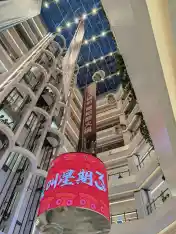
The fixture’s load, shape, and daily service routine decide your lifting setup. A small, even chandelier might just have one approved suspension point. That is an easy design task. But a long, art-like light has several support points. An illuminated installation might even need to stay powered on while going down. These setups are much harder.
Before you ask for a price quote, write down these facts:
- The fixture’s total suspended mass. This means the brackets and attached accessories, too.
- The size, the center of gravity, and the approved lifting points.
- The exact vertical travel distance. How far to reach a safe service position?
- Does the fixture need power while moving? Or just while parked or fully raised?
- How many times a year it will go down. Also, note who will operate the system.
- The real installation space and structural support. Trace the route for ropes and cables.
- Your exact plan for inspection and maintenance access.
All this info helps the design team. They can then pick a single suspension line or a multi-point arrangement. Maybe another lifting layout works better. A multi-point system is smart for odd shapes. If the load needs support in a few spots, use it. In the end, engineers still need to check the whole thing. They will look at the fixture, support structure, reeving, and control method.
Plan for Access Before the Ceiling Is Closed
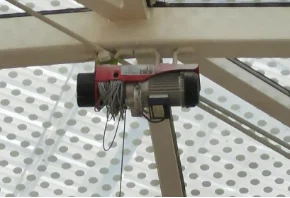
Always put maintenance access in your very first design brief. Sometimes, the winch goes above a finished atrium ceiling. If it sits past easy reach, future checks get tough. You might end up needing costly specialist access equipment. That means more site coordination. Try putting it near a good roof or maintenance zone instead. This makes checks much easier. Just make sure the supporting structure is strong. The equipment enclosure, cable route, and working clearances must fit nicely.
Work this out early during design coordination. Point out exactly where techs can grab the winch and brake. They also need to reach electrical connections, limit devices, and cable-management components. Map the clear route from the installation position down to the chandelier’s service position. Make sure drawings show the hoist location. Add the suspension points and sheaves. Show the electrical path and space left to check or swap parts.
The building team has another big job. They must figure out how to block off the floor below during a drop. Operating procedures, exclusion zones, and access restrictions rely on your specific site. You need a solid, approved risk assessment. A simple product description alone will not fix those site controls.
When a Traveling-Cable Integrated Winch May Fit
Think about a traveling-cable integrated winch. It blends the lifting line and an electrical supply path together. They work as one setup. Use this when a suspended chandelier needs power during raising and lowering. Or use it if a neat cable path matters for the room layout.
An engineering review must track what the cable assembly carries. It has to watch how it acts over the full travel. You have to lock down the mechanical load path and electrical conductors. Check the cable length and minimum bend radius. Do not forget the suspension method. Make sure it matches the winch and sheaves. Your project specification must say something clear. Must the light stay energized while moving? Or can it be safely isolated during maintenance?
Our starter brief for this job suggests a steel-wire-rope composite cable. It names a power figure of up to 2 kW. The cable length goes past 100 m. Treat these as rough starting points. Do not stop there. Get a formal drawing. You need a model-specific datasheet, too. That sheet proves the actual cable construction and allowable load. It locks in the electrical rating, travel, and true operating conditions. Only then do they become approved product specifications.
Keeping continuous power during movement is a big task. You need a full electrical design. Have the team check the conductor arrangement. They must look at current, voltage, and grounding. Check protective devices, terminations, and any moving-contact or cable-reel components. If you can turn off the fixture safely when lowered, great. Then a totally different power-management arrangement could work well. Always base the choice on the maintenance task and electrical needs.
Design Items to Confirm Before Writing the Specification
Every atrium winch specification has a job. It must link each need to a real drawing, calculation, or test. Below is a simple planning list for you. It is a guide, not a set of universal ratings.
| Design item | Information to confirm |
| Suspended load | Fixture mass, accessories, and lifting points. How the weight sits and the core design basis. |
| Travel and speed | The exact required lowering distance. How fast it moves, duty cycle, and where it stops. |
| Suspension layout | The count and spot of ropes. Check the reeving, sheaves, and safe fixture movement. |
| Power during travel | Does power stay on? Is it cut during movement? Or is it only there at a parked position? |
| Controls | Using local, wired, wireless, or a building-system interface. Operator rules and the emergency stop arrangement. |
| Protection | The whole brake arrangement. Upper and lower limits. How to handle overload and safe project-specific parts. |
| Building interface | The main support structure. Fixing details, access room, and matching up with other services. |
| Environment | Is it an indoor or semi-exposed location? Think about dust, moisture, heat, and enclosure needs. |
| Verification | Checking local laws and project standards. The inspection plan and the needed paperwork. |
Do not treat a past project example like a universal rating. It does not fit everything. A number for load has to be clear. Is it the fixture mass? Or the rated lifting capacity, or line pull? In the same way, a power value needs more facts. Add voltage, current, and duty info to make it useful. The design folks in charge must greenlight the final definitions and calculations.
Compare Hoist Options by Their Operating Conditions
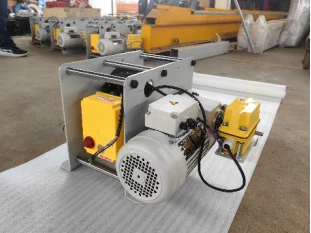
The smart move is checking your real installation needs against each system's documented configuration. A basic electric hoist often fits a very simple lift. That works when you manage the fixture’s electrical supply in a different way. Just be sure the hoist’s duty and setting match up. But a custom atrium winch with an integrated traveling cable is often better. Look into it if the moving fixture needs a joint lifting and power setup. Or use it if your building needs a special cable route.
Compare choices using these five simple points:
- Load and geometry: Does the planned suspension layout fit the fixture’s mass and shape? Are the approved attachment points matched?
- Power strategy: What happens to the fixture’s electrical supply when moving? What about at the service position?
- Travel and controls: Does the system give the required distance? Do the operating method and stopping rules make sense?
- Inspection: Can you easily check and fix the gear and cable path under the site plan?
- Evidence: Do you have all the facts? Look for ratings, drawings, component data, and tests. You need compliance papers for the exact setup.
This clear method keeps your choice built on real application evidence. Vendors love nice labels like "industrial," "high safety," or "for atriums." Do not rely on them. Fancy words never replace a solid load definition and a real approved system design.
Coordinate Installation With the Building and Service Team
Planning the install starts with solid structural and electrical interfaces. Get them approved first. Make sure the building support can hold the design loads safely. The final fixing arrangement must show up on clear drawings. Sometimes the cable path turns through sheaves. If so, the designer must check the routing and support reactions. Check rope or cable compatibility, plus the tight clearances for the complete travel.
A good install plan also spells out how you reach the winch for checkups. Pick the spot where the fixture gets serviced. Decide how the empty lifting zone is guarded during work. Think about adding a protective cover if the site needs one. Just mind the ventilation, access, and environmental needs. A wireless control handset is one handy choice. Your project still must lay out operator rules, stopping functions, and required interlocks.
Right before handover, the team in charge must do a big check. They compare the installed setup against the approved drawings. Then, they run tests and finish all the paperwork for the project. The inspection timeline and the operating procedure must match local rules. Always follow the equipment manufacturer’s instructions too.
Information to Prepare for a Custom Mall Atrium Winch
A clear note lets engineers know what to do. They can tell if a basic setup works or if a custom design is required. Grab this info if you can:
- General layout drawings and photos of the atrium and install area.
- Fixture mass, sizes, center of gravity, and lifting-point facts.
- Required lifting travel distance and the safe service position.
- Tell them if the chandelier or display has to stay energized while moving.
- Note the supply voltage, frequency, power demand, and control choices.
- Expected operating times a year and the maintenance access plan.
- Structural drawings, local codes, and the project’s standards.
- Site weather, building schedule, and handover paper needs.
Do you need a mall chandelier winch or a theatre atrium chandelier winch? Bring in the lighting designer and building-services team early on. Their ideas help solve messy cable routing and fixture power issues. They fix control interfaces and visual limits fast. If you wait too long, these things get very hard to change.
FAQ
Q1: Can an atrium chandelier stay powered while it is being lowered?
A: Yes, it can stay powered all the way down. The cable-management and electrical parts must be built for this exact job. Be sure to check the voltage, current, and cable construction. Double-check the travel distance and protection rules for the spot. Some maintenance plans just cut the power to the fixture while it is down.
Q2: What information is needed to size a winch for a mall atrium?
A: Give the team the full suspended mass and fixture shape. Show them attachment points and the lowering distance. Note the operating frequency, power needs, and control method. Also, hand over install drawings and the service-access plan. The designers really need the project standards and structural interface facts.
Q3: Where should an atrium winch be installed?
A: Pick a spot that meets all structural and cable-routing needs. It must cover electrical and checkup rules too. A flat roof or service zone often works well. Just make sure the building structure and clearances are okay. The final location has to match the total building design.
Q4: Is a traveling-cable integrated winch suitable for every chandelier?
A: No. It depends on the specific fixture. You must look at the required electrical service during travel. Check the lifting geometry and the operating cycle. Building conditions matter a lot. A deep project review must prove these things before you buy the cable and winch.
Let us talk about your atrium lifting needs. Got a custom winch job? Share the fixture data, drawings, and exact travel distance. Hand over your power needs, controls, and maintenance plan. These facts let the supplier and engineers build a smart setup. They check it against building and project limits. Keep in mind, final ratings and safety rules must show up in the approved technical papers for the supplied system.